Does Mold Remediation in Morris County, NJ, Require a Different Strategy for CIRS Concerns?
Homeowners researching chronic indoor air problems sometimes encounter the claim that homes connected to Chronic Inflammatory Response Syndrome require a specialized remediation approach. The suggestion is that traditional mold remediation methods are insufficient when exposure to mold biotoxins is involved.
Understanding whether that claim is accurate matters for a simple reason. If CIRS-related contamination requires different remediation methods, the strategy for removing contamination from a home would need to change. If the methods remain the same, the real issue is not a different remediation science but rather how thoroughly contamination within the building is investigated and removed.
When remediation procedures are compared directly, the evidence consistently points to the same conclusion: the methods used to remove mold contamination remain the same. What often changes is the extent to which the building must be investigated and cleaned.
Mold Remediation Methods Are Already Defined
Professional mold remediation does not rely on guesswork. Widely recognized remediation standards define the procedures for removing contamination from buildings.
Guidance such as the ANSI/IICRC S520 Standard for Professional Mold Remediation outlines the steps for correcting microbial contamination in buildings. These procedures include identifying moisture intrusion, isolating contaminated areas to prevent cross-contamination, removing affected materials, and cleaning remaining surfaces using HEPA filtration and damp wiping.
The U.S. Environmental Protection Agency describes remediation in similar terms. EPA guidance explains that remediation decisions are based on correcting moisture problems and removing contamination from the structure rather than identifying specific mold species.
Because these procedures already define how mold contamination is removed from a building, the key question becomes whether homes connected to CIRS concerns require different remediation methods, such as targeting specific mold species or mycotoxins. Clarifying this helps homeowners understand that the core methods are consistent, with the scope expanding as investigations proceed. Looking for the best mold remediation Morris County NJ has sometimes depends on the specifics of the work. When the actual removal procedures are examined, the answer becomes clearer.
The Claim Behind CIRS Mold Remediation
Services described as CIRS remediation often emphasize that homes associated with chronic exposure concerns require additional measures. These services typically focus on broader environmental investigations and deeper contamination cleanup.
Common elements associated with these projects include:
- Expanded inspection of building systems
- Investigation of hidden contamination reservoirs
- Environmental sampling of dust or surfaces
- Additional cleaning beyond the visible mold area
The implication is that contamination connected to CIRS behaves differently and therefore requires a different remediation process. However, once remediation work begins, the removal methods themselves remain grounded in established remediation practices, reassuring homeowners that proven techniques are sufficient regardless of CIRS concerns.
The Remediation Process Does Not Change
Comparing the procedures used in both approaches shows that the core remediation strategy remains consistent.
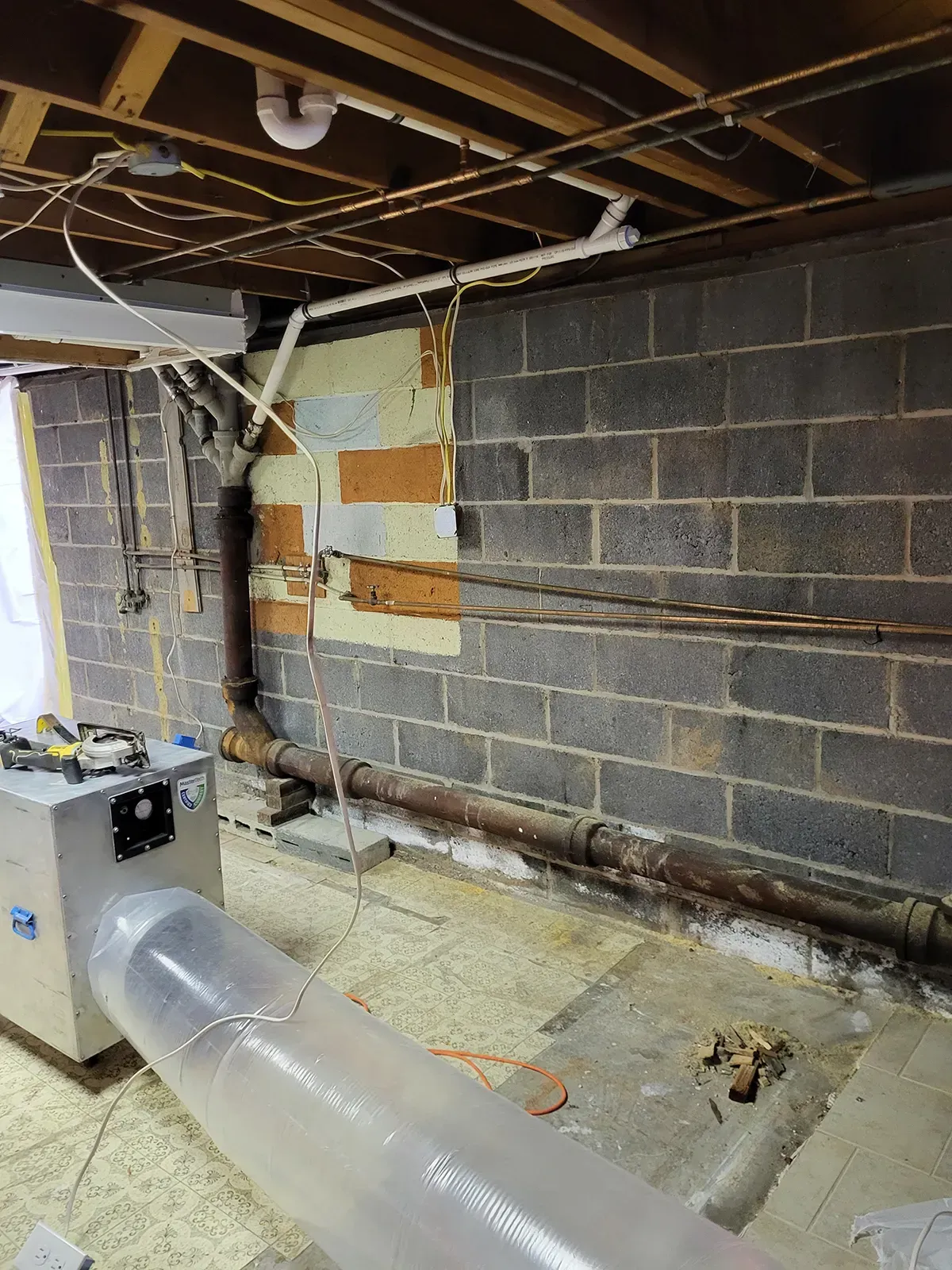
- Containment barriers are still used to isolate contaminated areas.
- Contaminated materials are still removed from the structure.
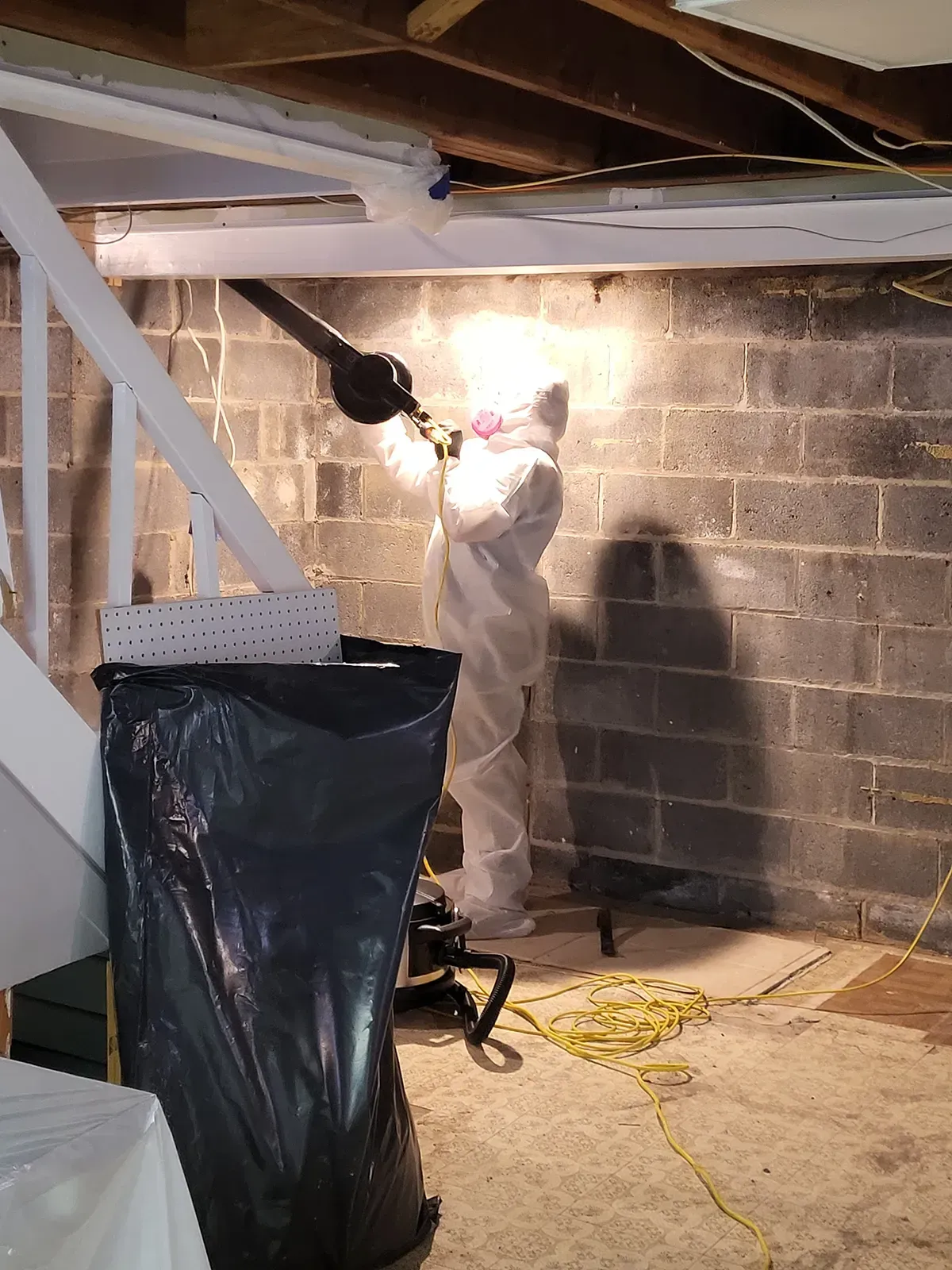
- HEPA filtration and damp cleaning are still used to remove residual contamination.
- Moisture sources are still corrected to prevent future mold growth.
These steps form the foundation of professional mold remediation and are used whether the project is described as conventional remediation or remediation associated with CIRS concerns.
What sometimes changes is the extent to which those procedures must be applied throughout the building, underscoring the importance of a thorough investigation for effective remediation. This helps homeowners see that expanding the scope is about better identifying contamination, not different removal methods.
Common Areas of Mold Exposure
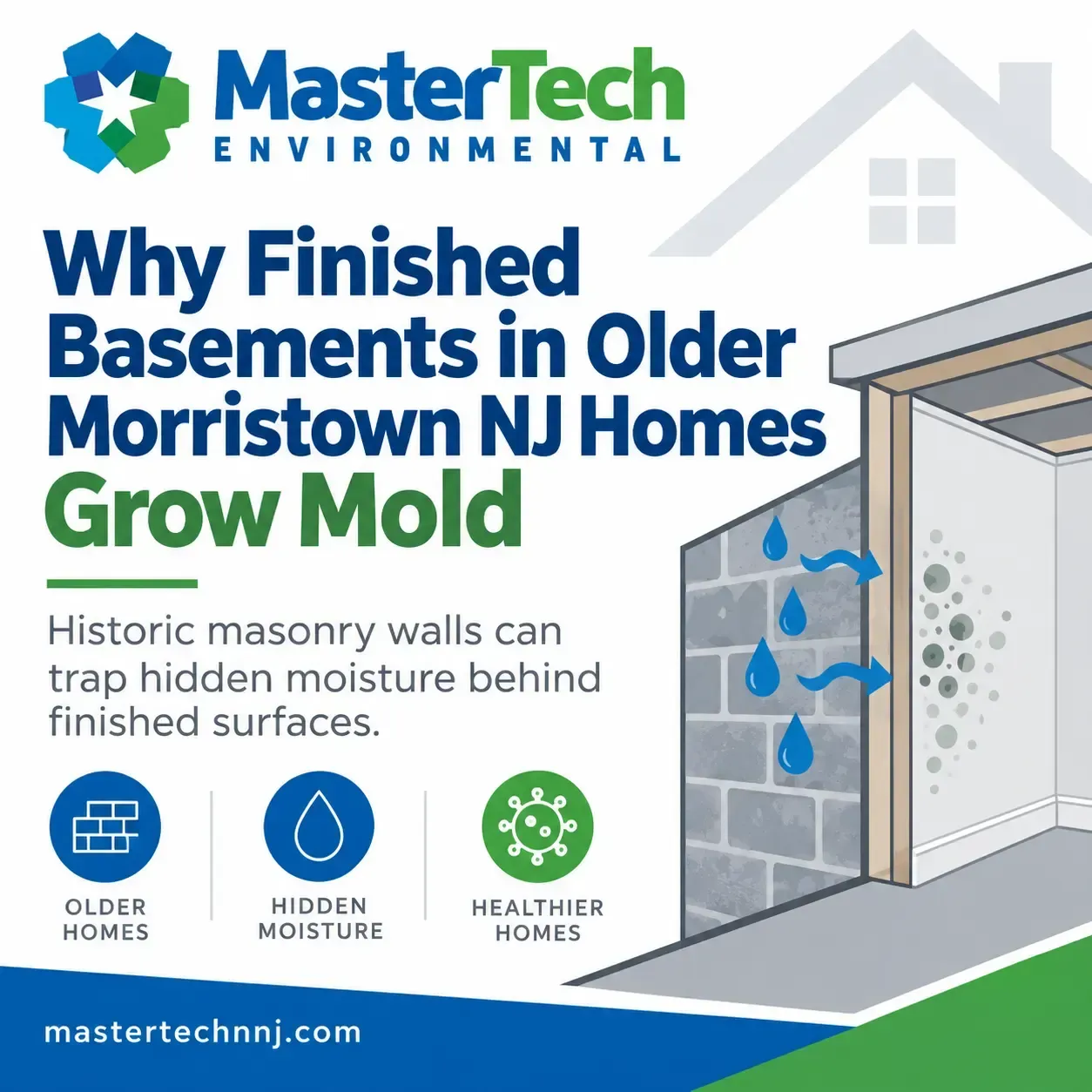
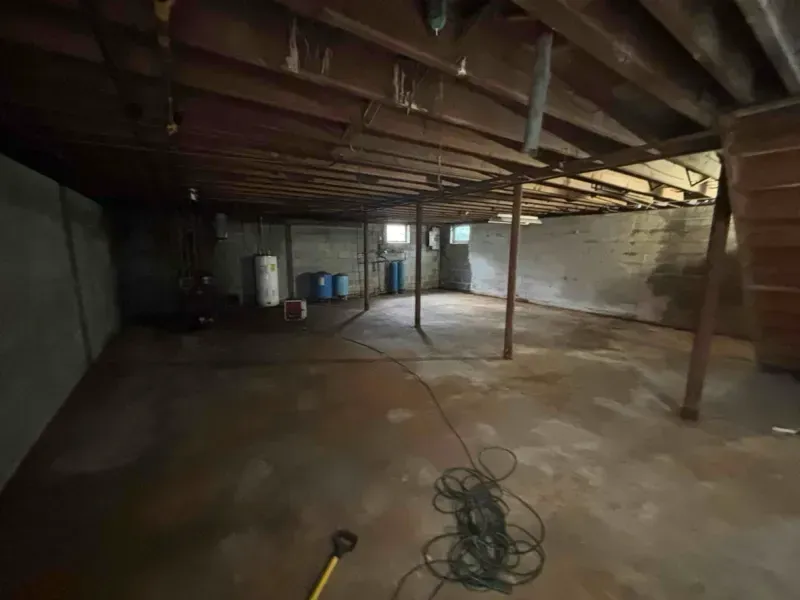
Homes associated with persistent exposure concerns often reveal contamination beyond the location where mold was first discovered. In northern New Jersey homes, moisture problems often occur in areas not immediately visible to occupants. Older plumbing systems, basement moisture, attic condensation, and crawlspace humidity can allow mold growth or contamination to develop inside the structure long before it becomes visible inside living areas.
During investigations conducted by MasterTech Environmental of North Jersey, contamination connected to past moisture events is sometimes found in locations such as:
- Crawlspaces beneath finished floors
- Attic insulation affected by roof leaks
- HVAC systems that circulated contaminated air
- Wall cavities impacted by plumbing failures
- Dust reservoirs where mold fragments accumulated over time
When contamination has spread through airflow or structural cavities, remediation must address those areas as well. This expanded investigation is often what leads homeowners to encounter the term CIRS remediation, even though the removal methods themselves remain the same.
Mycotoxins and Water-Damaged Buildings
Molds that grow in water-damaged buildings can produce mycotoxins under certain environmental conditions. These compounds include Trichothecenes, Aflatoxin, Ochratoxin, Gliotoxin, and Chaetoglobosins, which may be produced by molds such as Aspergillus, Penicillium, Chaetomium, and Stachybotrys.
Exposure to these contaminants is sometimes discussed in connection with conditions such as Mycotoxicosis, Mold Sensitivity, or Sick Building Syndrome (SBS). Regardless of the terminology used, the underlying cause remains the same: moisture intrusion that allows microbial growth within building materials.
Because of that relationship, remediation strategies aimed at reducing exposure to mold or mycotoxins still rely on the same building science principles:
- Locating the moisture source
- Removing contaminated materials
- Cleaning remaining surfaces
- Preventing future moisture conditions
The contaminants may vary, but the process used to remove them from the building remains grounded in the same remediation framework.
The Real Difference Is Scope
Examining the evidence leads to a straightforward conclusion. The core strategy for removing mold contamination does not differ between standard mold remediation and CIRS remediation projects. Both approaches rely on the same foundation of moisture correction, containment, material removal, and HEPA cleaning.
What homeowners often encounter in CIRS remediation is an expanded investigation and cleaning process designed to identify contamination that has spread beyond the original mold location. In other words, the difference lies in how thoroughly the building is examined and how broadly remediation is applied, not in the science used to remove contamination.
Get Clear Answers About Your Home
Concerns about mold exposure, Mold Sensitivity, or Mycotoxicosis often begin with uncertainty about what is actually happening inside the building. Understanding whether contamination is limited to a visible mold problem or distributed throughout the structure requires a careful investigation of moisture sources and contamination pathways.
If you suspect hidden mold contamination or past water damage in your home, a professional inspection can determine where the problem originated and what remediation approach is appropriate.
Contact MasterTech Environmental to schedule an inspection and get clear answers about what your home actually needs.