Mold Remediation Morristown NJ: What Are the Important Things to Look for in a Mold Inspection Report?
A mold inspection report should answer your next question, not create five more. If you are dealing with mold remediation Morristown NJ , the report should help you understand what was found, where it was found, what materials are involved, and what the findings mean before any next step is approved.
If you received a mold inspection report from MasterTech Environmental of Northern New Jersey, use it as a decision guide. The report is not just a file of photos, readings, and sample results. It should connect those details to the property's condition so you know whether the next step is monitoring, repair, remediation, additional access, or follow-up verification.
Start With the Main Finding
The first thing to look for is the main finding. In a mold remediation Morristown NJ situation, the report should state whether the inspection documented visible mold-like growth, elevated moisture, suspected hidden conditions, sample results of concern, or areas that need further review. You should not have to read every photo note and lab page before you understand the basic issue.
The report should also make clear whether the concern is confirmed, suspected, or inconclusive. Those are not the same outcome. A confirmed finding may support remediation planning, while an inconclusive finding may mean the inspector needs more access, more information, or follow-up testing before anyone can make a final decision.
A useful report should give you enough evidence to understand the finding. If the report says there is a possible mold concern, it should explain what supports that statement. The support might be visible staining, moisture readings, surface sampling, air testing, odor, accessible damage, or a combination of findings.
Make Sure the Report Connects the Location, Material, and Moisture
A mold inspection report becomes useful when the details connect. A location by itself is not enough. A photo by itself is not enough. A lab result by itself is not enough. The report should show how the area, material, and moisture condition fit together.
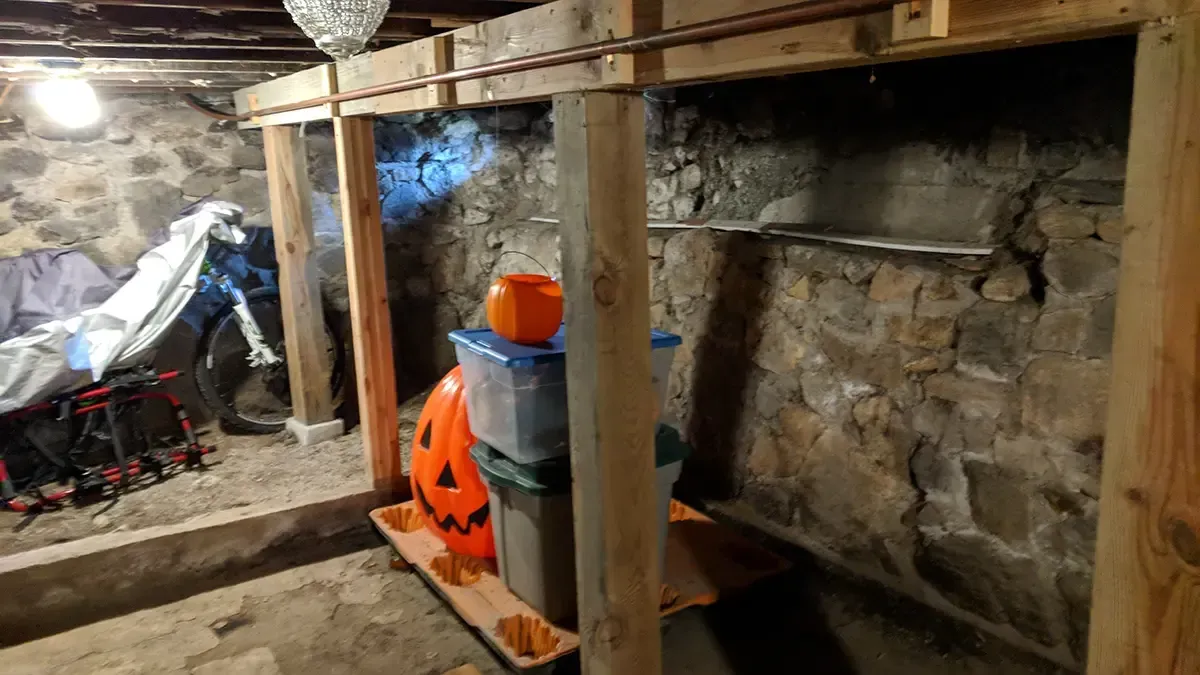
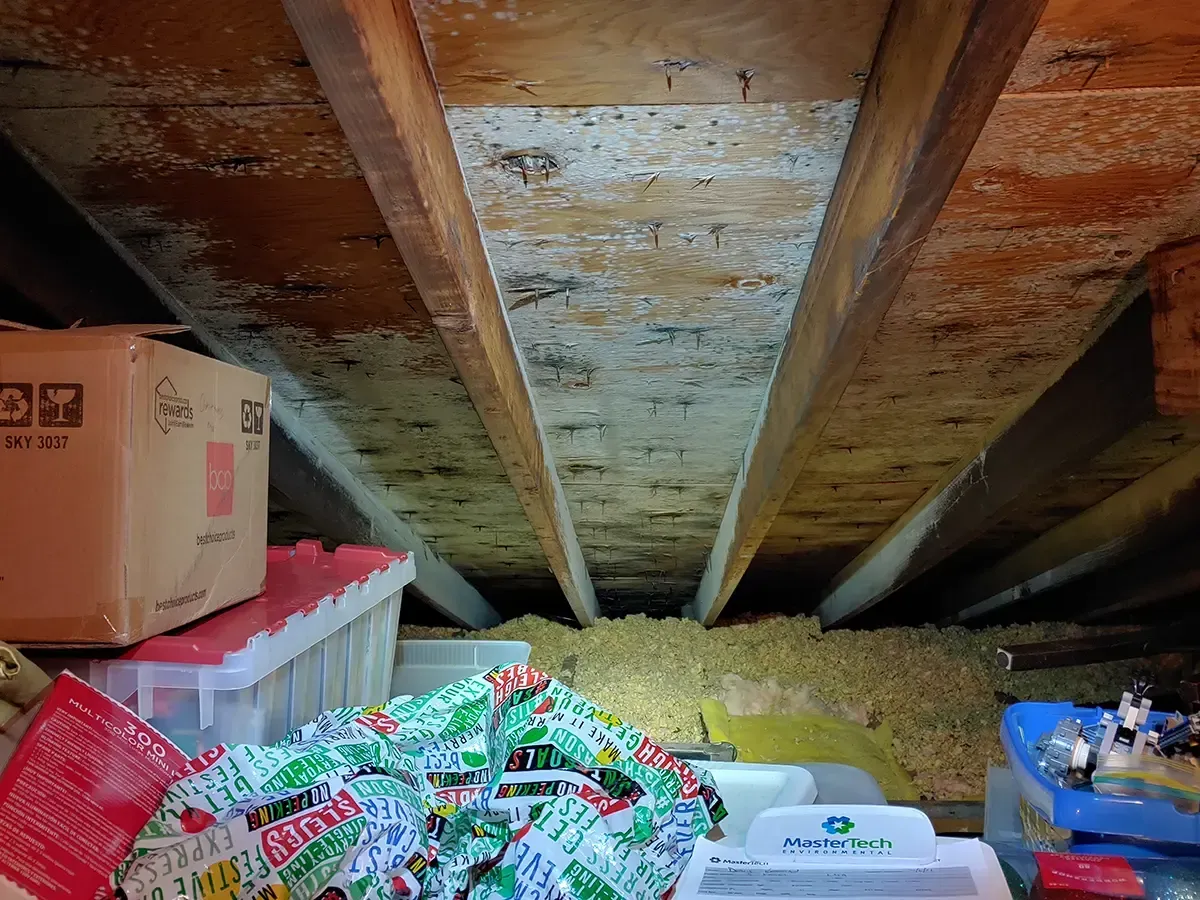
For example, staining on a basement wall means something different from damp insulation in an attic or discoloration under a bathroom vanity. Each location has different access issues, moisture history, and repair paths. The report should make that clear enough for you to understand what area needs attention and why.
| Report Detail | What You Should Look For | Why It Matters |
| Location | The room, wall, ceiling, attic, basement, crawl space, cabinet, or other exact area | The next step depends on where the concern is located |
| Material | Drywall, wood framing, insulation, ceiling material, cabinets, flooring, or stored contents | Different materials require different cleanup, removal, drying, or repair decisions |
| Moisture | Whether moisture is active, suspected, corrected, or unclear | Moisture affects whether the issue may return after cleanup |
| Testing | The reason a sample was collected and what the result means | Lab results need context before they can guide action |
| Access | Areas that were blocked, hidden, or not inspected | Uninspected areas may affect the final scope |
This section of the report should help you visualize the problem. A useful report might note staining on the drywall below a window, elevated moisture at the base of a bathroom vanity, or visible growth on the attic sheathing near a roof penetration. That level of detail gives you a clearer picture than a broad phrase like "mold found."
Pay Attention to Material Details
The material involved changes the meaning of the finding. Mold-like growth on a hard surface is not the same as growth on drywall, insulation, wood framing, carpet padding, or a cabinet base. The report should identify the material because it often determines whether the next step is cleaning, removal, drying, repair, or remediation.
This matters because some materials hold more moisture than others do. A painted surface may be easier to evaluate than insulation inside an attic or damp drywall at the bottom of a wall. If the report does not identify the material, you may know there is a concern without knowing what kind of work the concern might require.
The report should not force you to guess from photos. If a photo shows staining, the report should identify the surface shown. If the inspector could not confirm the material or access the full area, the report should clearly state that.
Read Testing Results as Part of the Report, Not the Whole Report
Testing can help clarify a mold concern, but test results need interpretation. If the report includes air, surface, or lab samples, it should explain why each sample was collected. It should also explain what the result means in relation to the inspected area.
A lab page alone does not tell the full story. It may list sample names, spore types, counts, or other technical details, but those numbers need context. The report should explain whether the result supports a visible finding, raises a concern, confirms a suspected condition, or points to the need for follow-up.
You should be able to answer these questions after reading the testing section:
- Where was the sample collected?
- Why was that location sampled?
- What did the result show?
- Does the result support the inspector's finding?
- Does the result change the next step?
- Is follow-up testing or verification recommended?
If the report gives test results without explaining what they mean, ask for clarification. The value of testing lies not in the lab table itself. The value is how the result helps explain the property condition.
Look for the Moisture Explanation
Moisture is often the detail that determines whether the problem is limited or still active. The report should explain whether moisture was found, where it was found, and whether the condition appears active, suspected, corrected, or unclear. If moisture is not explained, the report may confirm a symptom without explaining the underlying condition.
This is especially important when the report mentions leaks, damp materials, staining, humidity, condensation, or water damage. A basement wall with moisture readings needs a different next step than an old dry stain. A bathroom ceiling with recurring staining needs a different review than a one-time surface mark after a repaired leak.
Moisture findings should connect directly to the recommendation. If the area needs drying, repair, additional access, or monitoring, the report should note this. If another trade may need to inspect plumbing, roofing, HVAC, drainage, or exterior water entry, the report should identify that as part of the next step.
Check Whether the Recommendation Matches the Findings
A good report should not jump from "mold concern" to "remediation recommended" without explaining the connection. The recommendation should match the area, material, moisture condition, and test results. If the report recommends remediation, it should explain what area is involved and what evidence supports that recommendation.
The report should also explain when remediation is not the first step. Sometimes repair or moisture correction needs to happen first. Sometimes an inaccessible area needs to be opened before the full scope is clear. Sometimes the report may recommend monitoring or follow-up verification instead of immediate cleanup.
The recommendation should help you understand the decision-making process. For example, if moisture is active behind a wall, repair or access may need to come before final remediation planning. If the concern is limited to a clearly identified surface, the next step may be narrower in scope.
Know What to Ask Before You Approve the Next Step
Before approving repairs, remediation, additional testing, or follow-up verification, check whether the report provides enough information to act. The goal is not to question every detail. The goal is to ensure the report answers the practical questions that will affect the next decision.
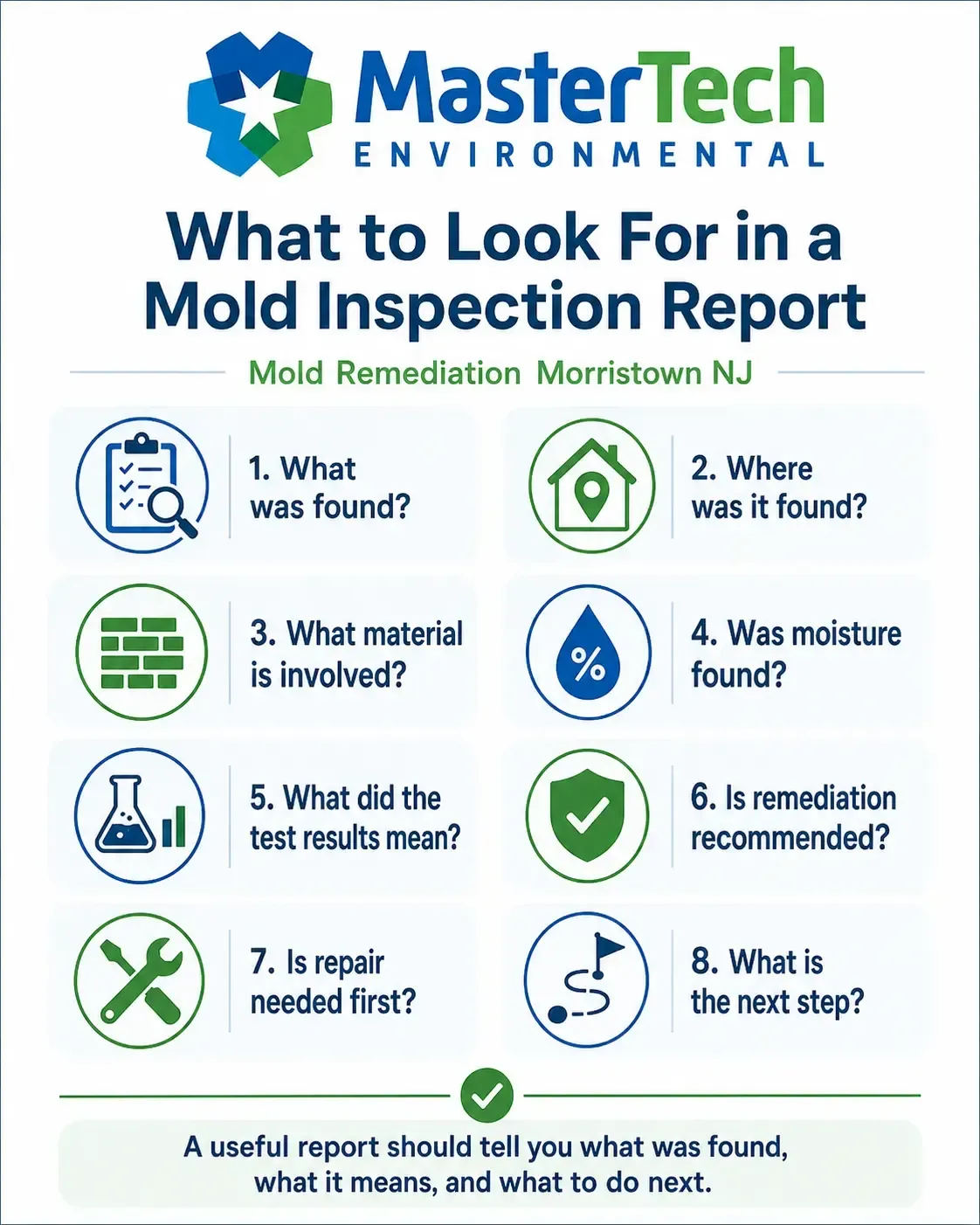
Use this checklist when reviewing your report:
- What was found?
- Where was it found?
- What material is involved?
- Was moisture found?
- Is moisture active, suspected, corrected, or unclear?
- Were samples collected?
- What did the test results mean?
- Is remediation recommended?
- Is repair needed first?
- Is follow-up inspection or verification needed?
- Were any areas inaccessible?
- Does the report give a clear next step?
If any of those answers are missing, ask for clarification before work begins. A missing detail can affect the scope, the price, the repair sequence, or the need for follow-up. A mold inspection report should reduce uncertainty, not shift it to the next contractor.
What a Clear Report Should Leave You With
The most important part of a mold inspection report is not the number of pages. It is whether the report gives you usable answers. You should be able to understand what was found, where it was found, what material is involved, what the findings mean, and what action makes sense.
If you received a report from MasterTech Environmental of Northern New Jersey, read it with those questions in mind. The report should help you understand the property's condition, not just confirm a mold concern. A clear report gives you the information you need to move forward with less confusion.