Mold in a North Jersey Basement: What Can Stay and What Should Go?
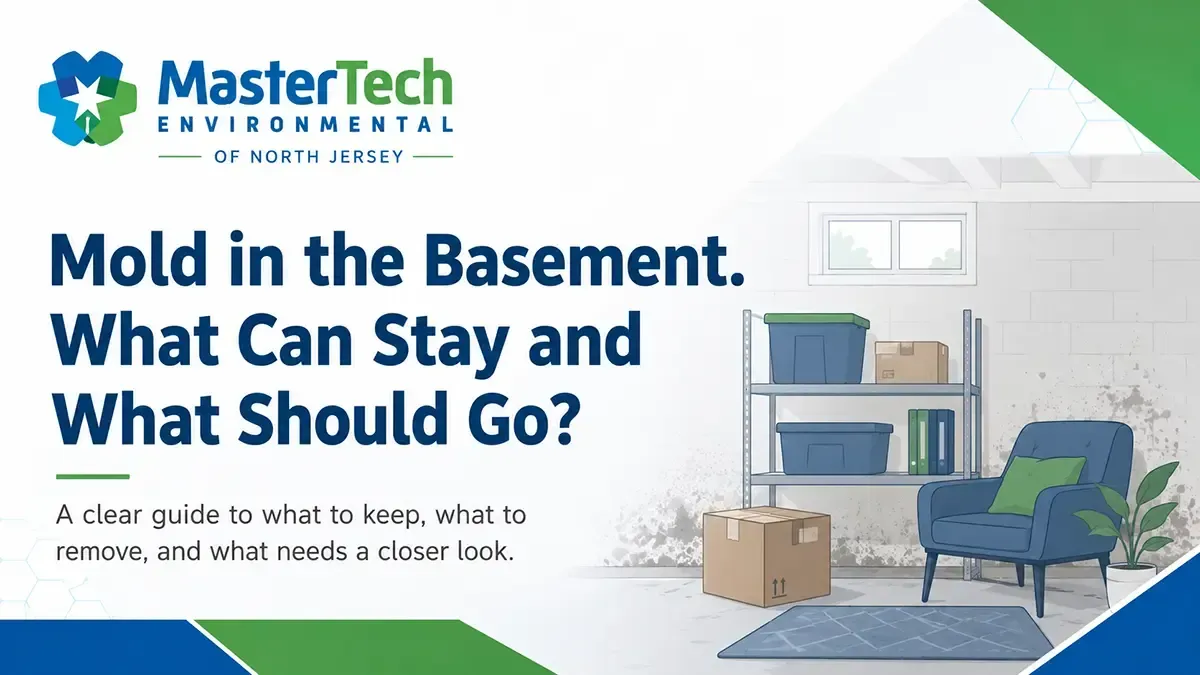
Mold in a North Jersey home often starts in areas where people store things. A finished basement. A utility room. An attic corner. A closet under the stairs. By the time the smell, staining, or visible growth shows up, the question is no longer only about the wall or the floor. It is about the boxes, rugs, furniture, files, photos, books, clothing, and keepsakes stored nearby.
At Mastertech Environmental of North Jersey, we do not view those belongings as a single keep-or-throw-away pile. A mold inspection should help identify the affected materials, the moisture history, and the surrounding conditions so the homeowner can make a clearer decision. For homeowners comparing mold remediation Bridgewater NJ resources, the useful question is not only whether mold is present. It is what got wet, what absorbed moisture, what stayed dry, and what deserves a closer review before anyone makes an irreversible decision.
Mold Remediation Bridgewater NJ Starts with the Room and What Was Stored There
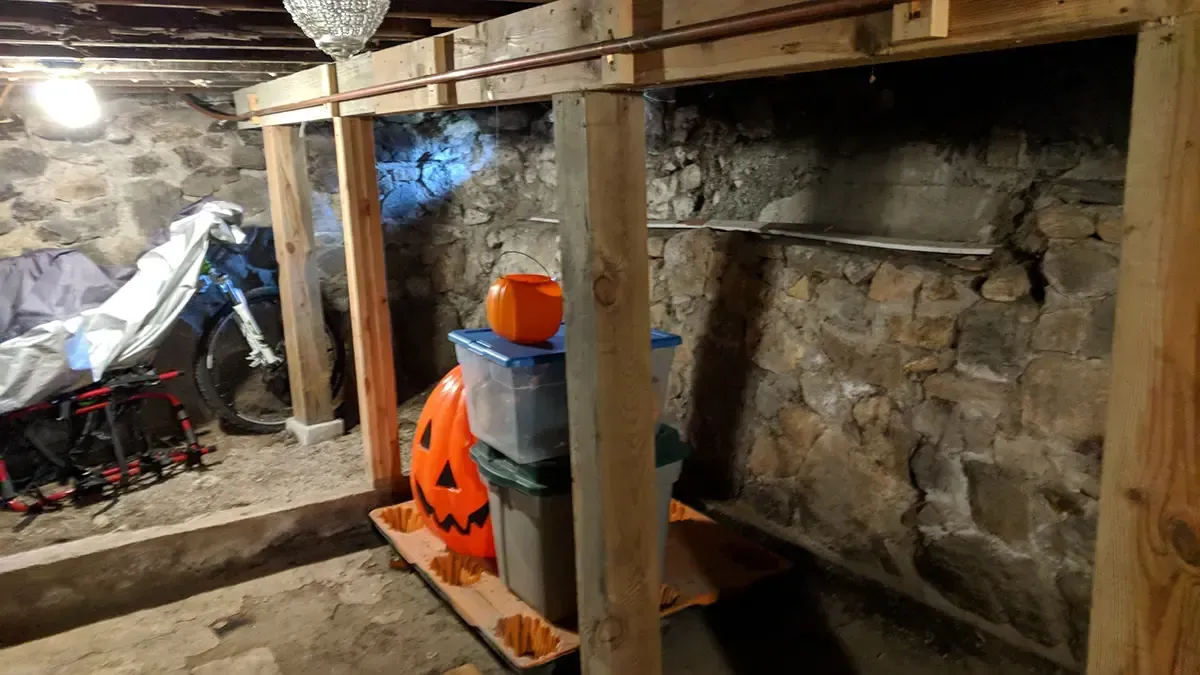
Basements, utility rooms, and storage areas make mold decisions more difficult because they often contain many different materials in a single small space. One corner may hold plastic bins, cardboard boxes, paper files, upholstered furniture, holiday decorations, old books, framed photos, and a rug on top of finished flooring. If moisture enters that space, each item reacts differently.
That is why the first decision should not be, “Is everything in this room ruined?” The better question is, “Which materials were affected, and how did those materials handle the moisture?” A plastic tote and the paper inside it deserve separate decisions. A metal shelving unit and the cardboard boxes sitting on it do not carry the same risk. A finished basement wall and the area rug pressed against it should not be treated as a single item.
Public health and mold cleanup guidance uses the same basic logic. Moisture comes first, then the decision turns on whether the affected material can be fully cleaned and dried. In a North Jersey home, that often means looking closely at storage areas, lower-level rooms, damp walls, foundation-side corners, plumbing areas, and anything sitting directly on a basement floor.
Ask these questions before throwing things away:
- Was the item directly wet, or only near the affected area?
- Did the item absorb moisture?
- How long did it stay damp?
- Is the affected surface visible and reachable?
- Does the item have hidden layers, padding, backing, seams, or paper?
- Is the item replaceable, valuable, or sentimental?
Those questions keep the decision practical. A mold-affected room may contain items that are realistic to save, not worth the risk, or that need a slower review.
Hard Items Usually Give You the Clearest Starting Point
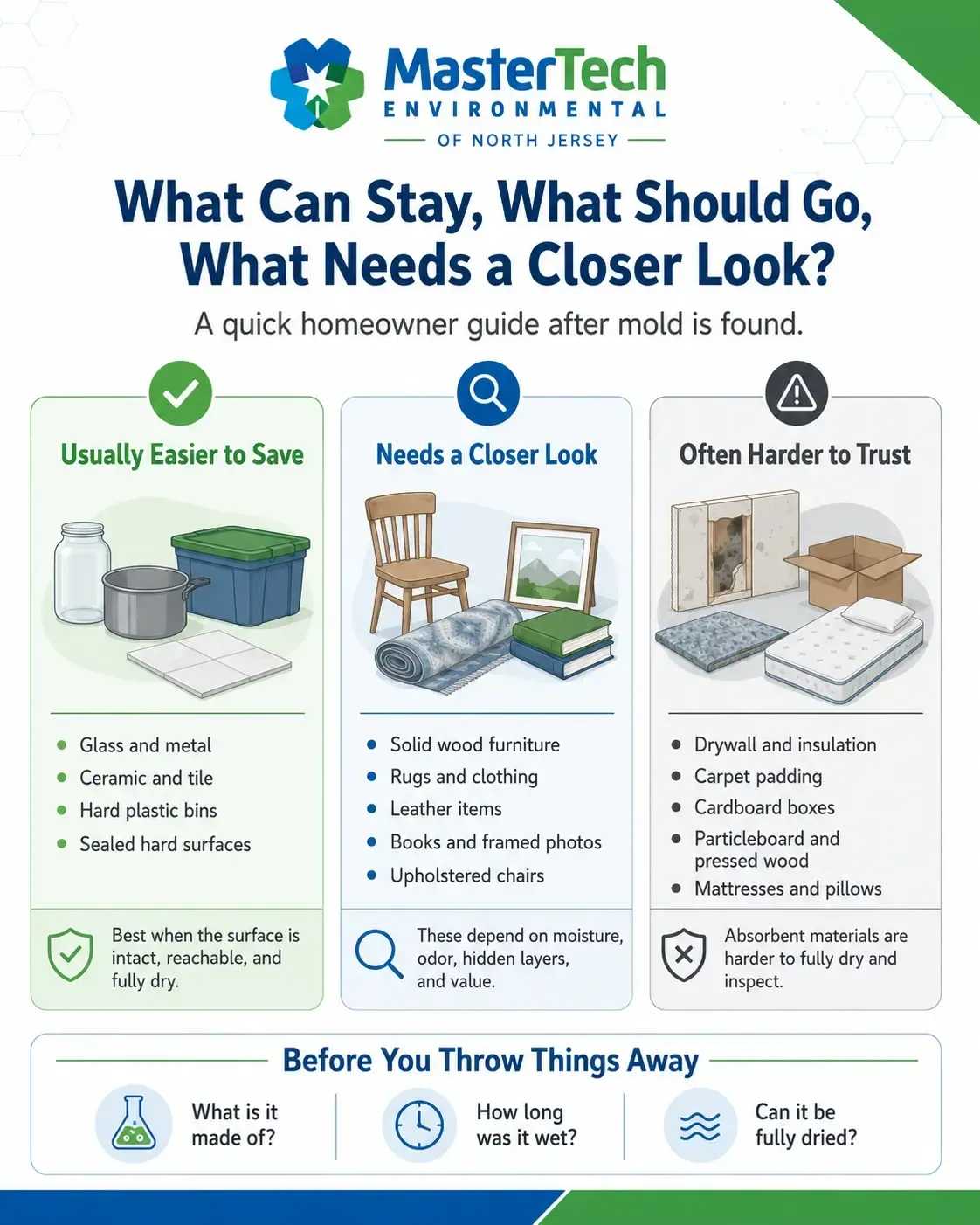
Hard, non-porous items are usually the easiest to judge because they do not absorb water as paper, padding, drywall, or fabric does. In a North Jersey basement or storage room, that may include plastic storage bins, metal shelves, ceramic decorations, glass frames, tile surfaces, sealed stone, and some finished hard surfaces.
These items often give you one main surface to review. If that surface is smooth, intact, visible, and reachable, the item often belongs in the review-and-clean category instead of the automatic-disposal category. EPA guidance treats hard surfaces differently from absorbent materials because hard surfaces are more reachable and less likely to hold moisture below the surface.
That does not mean every hard item stays. The condition still matters. A plastic bin may have a non-porous shell, but its contents may still be damaged. A metal shelf may look fine on the surface, but moisture may accumulate inside hollow tubing or along rusted joints. A tile floor may have a hard face, but grout, loose tile, or wet material underneath changes the decision.
The key is separation. Do not judge the bin and the papers inside it as one item. Do not judge the frame and the photograph inside it as one item. Hard surfaces often give you the clearest starting point, but the materials attached to them may need a different decision.
Boxes, Paper, Padding, and Drywall Need More Caution
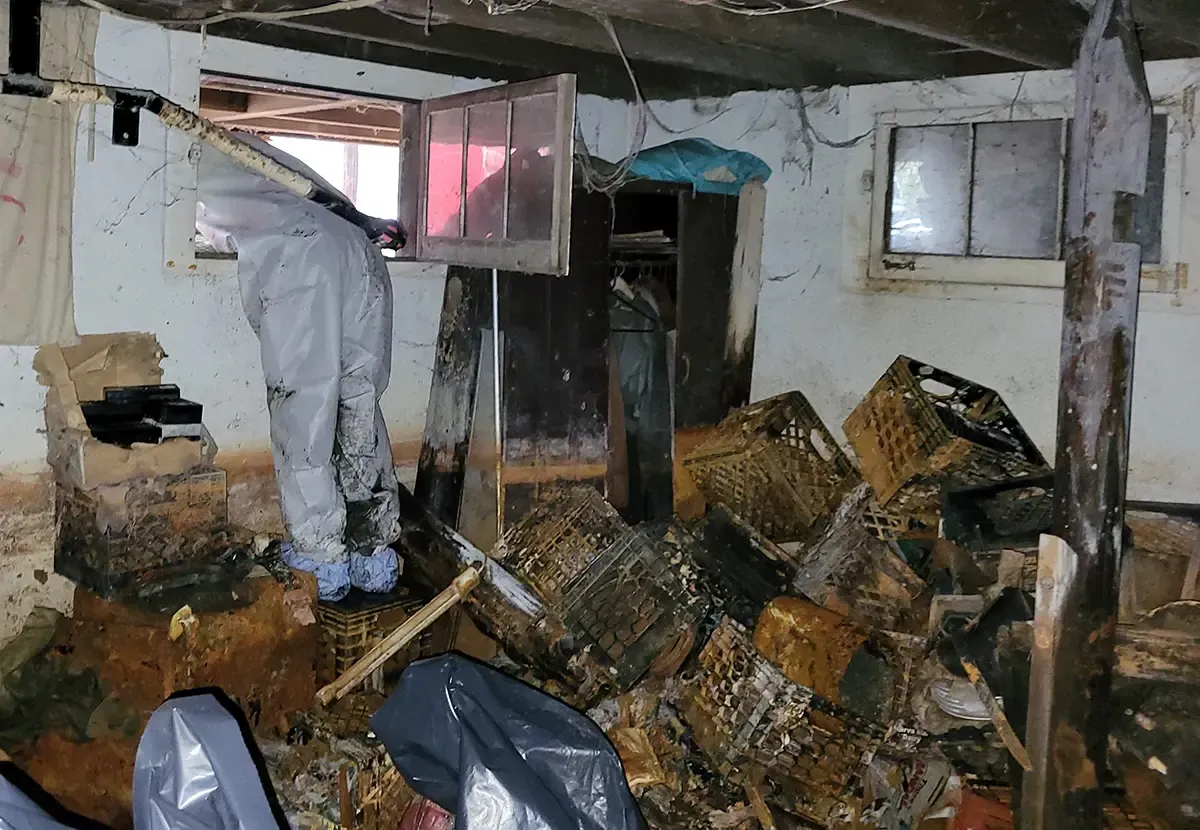
Soft, absorbent materials require stricter decisions because they absorb moisture. Finished basement drywall, insulation, carpet padding, ceiling tiles, cardboard storage boxes, paper files, particleboard shelving, pressed wood furniture, and water-damaged contents do not behave like plastic or metal. They have fibers, paper layers, compressed material, glue, padding, or internal spaces that hold water.
That is why surface appearance often misleads homeowners. A cardboard box may look stained on one side while moisture has moved through the whole panel. A finished basement wall may show a small area of visible growth while the paper backing or hidden side has been affected. A carpet may feel dry at the top while the padding underneath remains damp. A pressed-wood bookcase may look normal from the front, but the bottom edge may swell because water entered the core.
EPA and state-level public health guidance treat absorbent materials more strictly because the concern extends beyond visible mold. The concern is whether moisture and growth have moved into areas that are hard to reach. CDC’s 24- to 48-hour drying window gives homeowners a practical way to plan timing. If an absorbent item stayed wet beyond that window and was not fully dried, saving it becomes harder to justify.
These materials deserve more caution when they:
- Feel soft, swollen, warped, or crumbly
- Smell musty after drying
- Have staining on more than one side
- Sat directly on a damp basement floor
- Have paper, padding, backing, or pressed material
- Cannot be fully reached or dried
A plastic tote may survive a damp storage area. The cardboard box beside it may not. A metal shelf may be fine. The particleboard shelving board sitting on it may swell. A rug may look better on top while the backing still holds moisture. With absorbent materials, the safer question is not, “Does the outside look better?” The safer question is, “Can this material be fully dried and trusted again?”
The Main Answer Depends on Material, Moisture, and Value
No, mold does not mean everything has to be thrown away. If you are trying to understand mold remediation in Bridgewater NJ after a basement, attic, or storage-room issue, the answer should come from the materials affected, not the fear caused by seeing mold. Hard surfaces, absorbent materials, layered furniture, and sentimental items all need different decisions.
A hard plastic bin with surface mold is not the same as the damp paper files inside it. A metal shelf is not the same as cardboard boxes stored on the bottom rack. A washable blanket with brief exposure is not the same as a mattress that stayed damp. A framed photo is not one item either. The frame, glass, backing, matting, and image may each tell a different story.
The answer is simple, but the decision is not. Some items are likely salvageable. Some are poor candidates for saving. Some need specialist review because they are valuable, sentimental, layered, or difficult to inspect. The best decisions come from sorting the room by material and moisture history.
Mattresses, Sofas, and Cushions Need a Higher Standard
Mattresses, pillows, sofas, sofa beds, cushions, and thick upholstered furniture need a higher standard because they are built in layers. The outside may look better before the inside is fully dry. That makes them different from a washable blanket, a hard chair, or a plastic bin.
A basement sofa has fabric, foam, seams, backing, an underside, and a frame. A pillow has fill that cannot be inspected from the outside. A mattress has fabric, foam, batting, seams, internal layers, and a base that may hold moisture differently from the top. Once these items stay wet or show visible mold, the decision becomes harder.
Ask the harder questions before keeping them:
- Did it sit in water or against a damp wall?
- Does it smell musty after drying?
- Are cushions, seams, or underside areas affected?
- Can the inside be inspected?
- Can the full item dry through all layers?
- Would you feel comfortable using it every day?
Photos, Files, and Keepsakes Should Not Be Rushed
Sentimental items need their own pace. A moldy cardboard box may need to go, but the photos inside deserve a separate decision. A wet frame may be replaceable, but the image inside it may not. A stack of old letters may look fragile, and too much handling may make the damage worse.
For irreplaceable items:
- Separate them from ordinary damaged materials.
- Keep them dry.
- Handle them as little as possible.
- Do not rub or wipe fragile paper or photos.
- Do not stack wet paper together.
- Review the item before throwing it away.
This does not promise everything can be saved. It keeps a bad moment from becoming worse. Replaceable basement clutter and irreplaceable family items should not go through the same sorting process.
Mold Does Not Mean Everything Is Lost
Mold in a basement, storage room, attic, or finished lower level does not mean every item has to be thrown away. A plastic tote is different from the paper inside it. A metal shelf is different from the cardboard boxes on top of it. A washable blanket is different from a mattress. A damp frame is different from the family photo inside it.
Hard, non-porous items are often more salvageable when the affected surface is intact and reachable. Soft, absorbent, water-damaged materials are harder to trust because moisture may move below the surface. Finished basement items need judgment because many of them have layers, backing, seams, padding, or mixed materials. Mattresses, pillows, and thick upholstered furniture deserve extra caution. Sentimental items deserve patience before disposal.
The goal is not to save everything. The goal is to make the right decision for each material type. Some items are cleanable. Some are not worth the risk. Some need a closer look before anyone decides they are gone for good.